Deaf-Blind Dog Toys Comparison: Multi-Sensory Picks
By Isha Ramanathan • 6th Jun
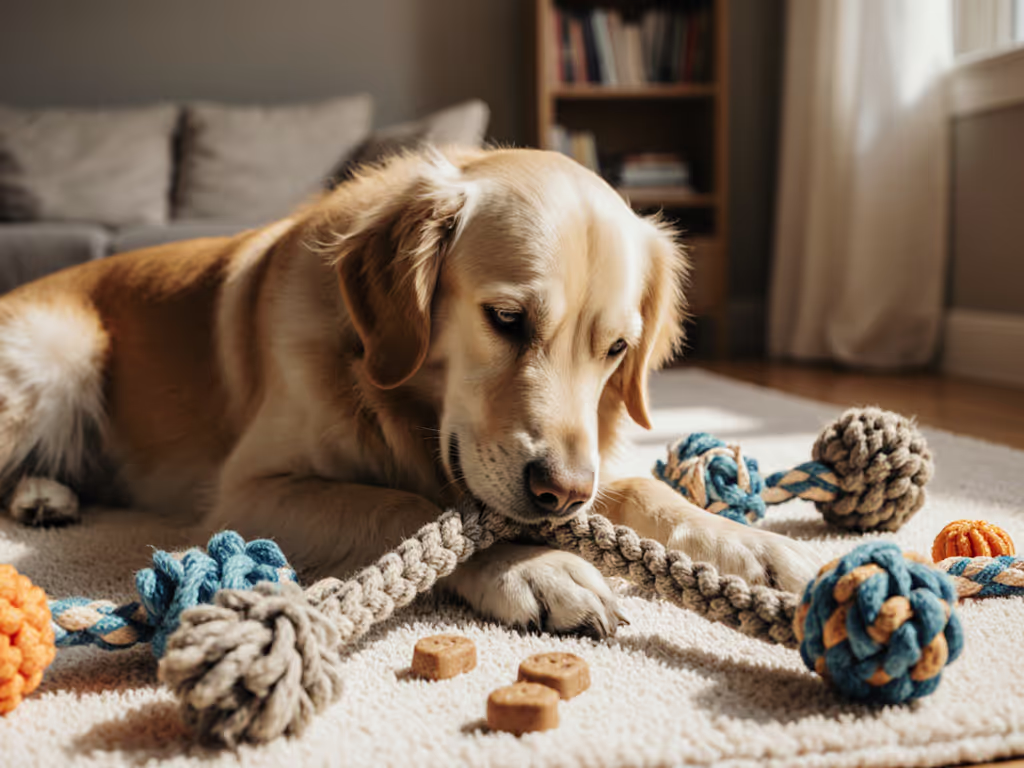
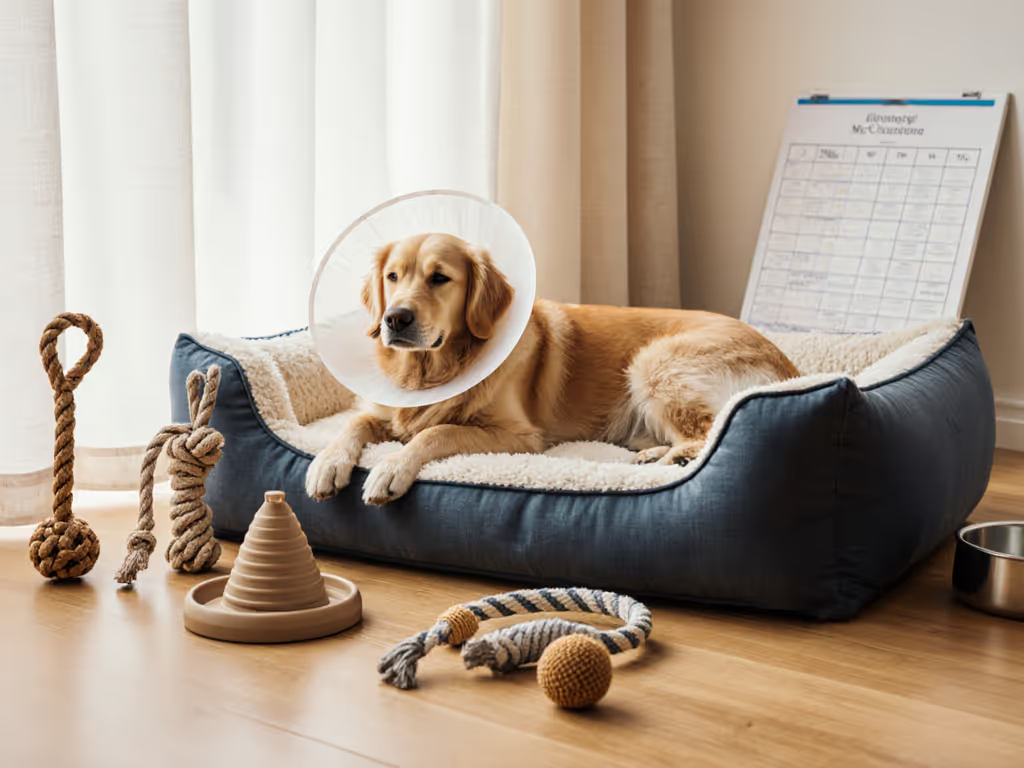
Deaf-blind dog toys comparison means matching multi-sensory dog enrichment tools to the senses your dog still uses best: scent, touch, vibration, and taste. Instead of chasing lights or squeakers, you're engineering predictable, safe, and long-lasting engagement from the ground up.
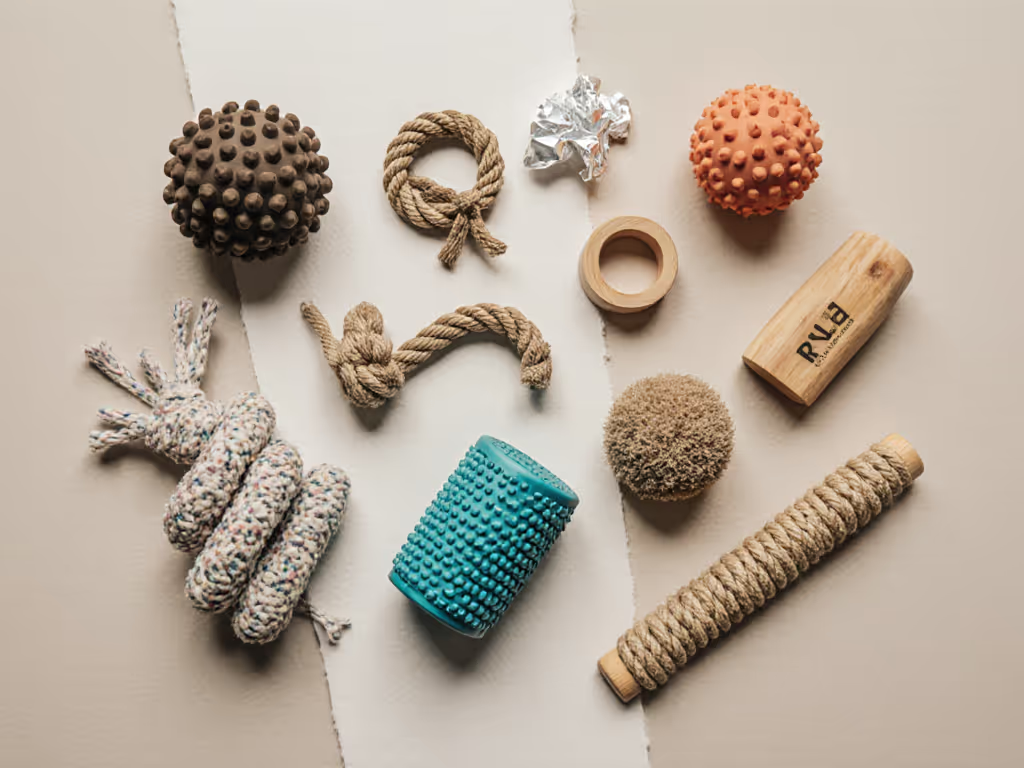
Failure mode matters. If you're unsure how different materials fail, see our dog toy material safety guide. This guide breaks down toy types, scores them on key metrics, and shows you how to build a rotation that fits jaw strength, playstyle, and your home constraints.
--
What makes a good toy for a deaf-blind dog?
For deaf-blind dogs, toy value tracks one thing: clear, reliable feedback through remaining senses (primarily scent, touch, vibration, and taste).[10][11] Sound- or light-only toys are essentially blank channels.[10][14]
Most blind and deaf-blind dogs still rely heavily on:
- Smell - scent is the primary "radar," making snuffle mats, scent trails, and hidden-treat games high-yield.[6][7]
- Touch & texture - paws, muzzle, and body contact with different surfaces, fabrics, and rubber densities provide orientation and interest.[6][1]
- Vibration & movement - the thump of a treat toy on the floor or the pull of a tug toy creates trackable feedback even without hearing or vision.[6][11]
- Taste & chewing/licking patterns - food-based enrichment converts normal feeding into problem-solving and soothing repetitive action.[7][10]
Good toys for dual sensory impairment play are multi-modal engagement toys: they combine at least two of those channels (such as scent + texture, or texture + vibration) so your dog can both find and keep interacting with the toy.[10][14]
Safety and clarity matter more than novelty:
- The toy should be easy to locate via scent or texture contrast with the floor.[6][11]
- Shapes should be simple and stable so a bump or paw touch doesn't send the toy skittering away out of reach.[11]
- Materials should resist splintering or shredding into swallowable bits.[10][14]
Let's translate playstyle into risk, enrichment, and expected lifespan.
That is where scoring systems help.
--
How do you score deaf-blind dog toys objectively?
When I compare toys, I use a simple grid. You can replicate this on a notes app or spreadsheet for your own dog.
Core metrics:
- Sensory channels supported
- Scent, texture/tactile, vibration/movement, taste, (sound, usually irrelevant here)
- Chew Resistance Score (1-5)
- 1 = tears in minutes with light chewing
- 3 = stands up to moderate chewers for weeks
- 5 = survives strong-jaw chewing with only surface wear (but still monitored)
- Engagement half-life How long until interest drops by ~50% in typical use:
- Short: under 5 minutes
- Medium: 5-15 minutes
- Long: 15+ minutes
- Cleanability
- Easy: smooth surfaces, machine- or dishwasher-safe
- Moderate: some crevices but rinses with a brush
- Hard: fabric layers, deep seams, or absorbent materials
- Noise profile
- Low: licking, gentle foraging, soft fabric contact
- Medium: occasional thumps/rolls
- High: constant bumping or rattling (often undesirable in apartments)
- Supervision level
- High: you're actively present and engaged
- Medium: you're in the room and checking in
- Low: brief unsupervised use is tolerable for that specific dog and toy, but complete unsupervised safety is never guaranteed
As I learned logging toy wear in busy shelters, once you group dogs by jaw strength band and playstyle, failure patterns become highly predictable. Chew resistance scores and failure modes tell you when a toy should be retired, not just whether your dog "likes it."
--
Which toy categories work best for dual sensory impairment play?
Below is a deaf-blind dog toys comparison across the most useful categories. Each row describes a category rather than a single product.
Category-level comparison
| Category | Main Senses | Chew Resistance* | Engagement Half-Life | Cleanability | Noise | Supervision | Typical Failure Mode |
|---|---|---|---|---|---|---|---|
| Snuffle mats / fabric foraging pads | Scent, texture | 2-3 | Medium to Long | Moderate | Low | Medium | Fabric fraying, loose threads |
| Towel/box scent "shred" setups | Scent, texture | 1-2 (towels/boxes) | Medium | Easy (disposable) | Low to Medium | High | Cardboard/towel torn, ingested scraps if not managed |
| Lick mats & stuffable rubber toys | Taste, scent, texture | 3-5 | Medium to Long | Easy to Moderate | Low | Medium | Edge chewing, rubber surface wear |
| Stationary puzzle feeders/slow bowls | Scent, texture | 3-4 | Medium | Easy to Moderate | Low to Medium | Medium | Chewed rims, cracked plastic if too hard/cheap |
| Tug & tactile-vibrational toys | Texture, vibration, social touch | 2-4 | Short to Medium | Easy to Moderate | Low | High | Stitching failure, rope fray |
*Chew Resistance values assume you choose appropriate size and material hardness for your dog.
Below, we'll zoom into what each category offers a deaf-blind dog.
--
1. Snuffle mats and fabric foraging
Snuffle mats and similar foraging textiles turn a small floor area into a scent-dense puzzle field.[6][7] For step-by-step scent games that stay low-mess, try our scent enrichment guide. Dogs use nose and paws to hunt for kibble or treats buried in the fabric.
- Sensory profile: Scent + texture.
- Best for: Dogs who love sniffing, methodical searching, and low-impact activity.[6][7]
- Engagement half-life: Medium to long; many dogs will work a mat thoroughly.[6]
- Jaw bands: Suitable across jaw strengths; not a chew toy, remove when the food is gone.[6][7]
Risk & failure mode: Fabric strands can be chewed or swallowed once the food is gone, especially by strong chewers or fabric-obsessed dogs.[6] Retire when threads pull out or backing loosens. Only offer under supervision, especially early on.[10][11]
--
2. Towel and box-based scent "shred" games
DIY setups - treats wrapped in towels, crumpled paper in boxes, toilet-roll "parcels" - are popular for deaf-blind enrichment.[5][6]
- Sensory profile: Scent + texture + ripping resistance.
- Best for: Dogs that enjoy gentle shredding and digging more than intense chewing.[5][6]
- Engagement half-life: Medium; short bursts, but you can repeat cheaply.
- Jaw bands: Better for light to moderate chewers; strong-jaw dogs may destroy materials too fast.
Reddit guardians of deaf-blind dogs report good success with boxes filled with twisted paper and treat parcels, noting that the dog engages nose-first, then paws and teeth to solve the "trash puzzle."[6][5]
Risk & failure mode: Cardboard and fabric are intentionally destructible; ingestion is the main risk.[5][6] Use larger pieces, supervise, and pick up the remains afterward. Think of these as single-use experiences, not durable toys.
--
3. Lick mats and stuffable rubber toys
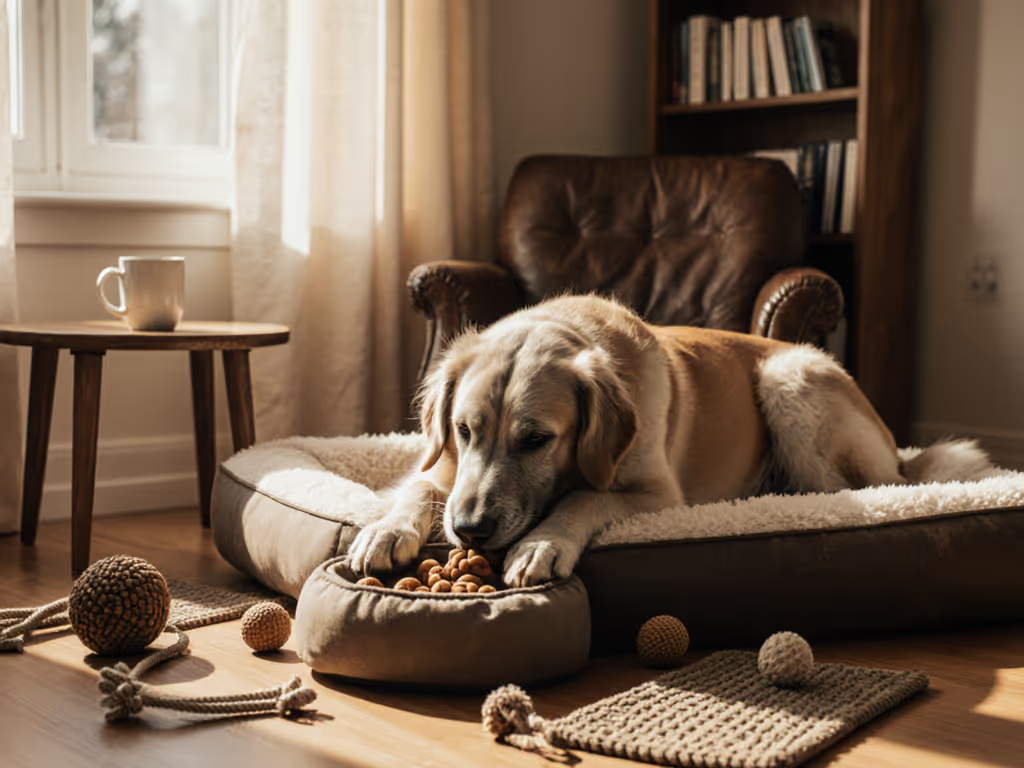
Licking is a high-value, low-noise behavior for many dogs.[7][10] For product picks and safe spreads, see our best lick mats. Textured mats and hollow rubber toys loaded with soft food or frozen mixtures work well for deaf-blind dogs because they are stationary, easy to relocate by scent, and don't depend on sound or sight.[10][11]
- Sensory profile: Taste + scent + texture, with repetitive licking patterns.
- Best for: Calming pre-nap routines, crate time, or quiet apartment evenings.[7][10]
- Engagement half-life: Medium to long, especially when frozen.[7][10]
- Jaw bands: With appropriately tough rubber and sizing, can serve even strong chewers; but the toy is still not edible.
Veterinary and training sources frequently recommend Kong-style stuffable rubber toys and lick mats for blind or deaf-blind dogs because they promote scent-led exploration and sustained engagement.[7][10][11]
Risk & failure mode: For heavy chewers, watch for edge chunking or deep tooth dents in rubber; retire if pieces go missing.[10][11] For flexible lick mats, monitor for tearing at corners.
Noise is minimal (ideal for WFH households or shared walls).
--
4. Stationary puzzle feeders and slow bowls
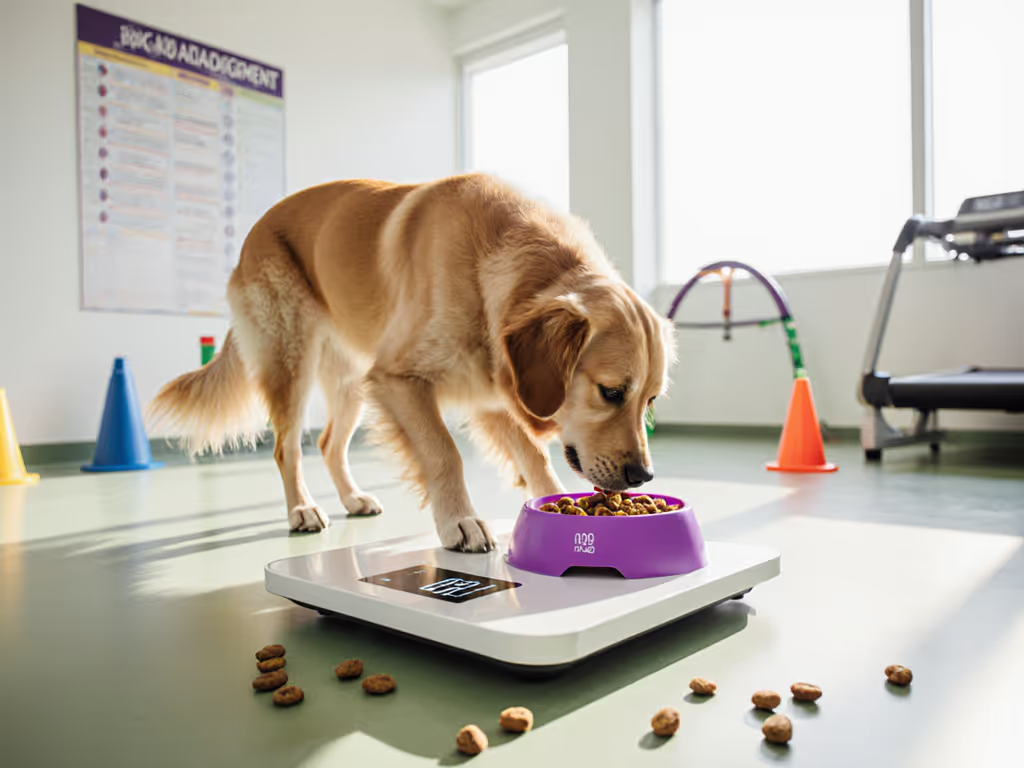
Food puzzles that stay mostly in one spot - slow bowls, wobble-less mazes, or puzzle plates - allow deaf-blind dogs to locate the feeding station by scent and then solve by touch and nose work.[10][14] To match bowl patterns to digestion goals, review the slow feeder science guide.
- Sensory profile: Scent + texture + low-level movement.
- Best for: Dogs who eat too fast or need more structured mealtimes.[10][14]
- Engagement half-life: Medium; bound by meal size.
- Jaw bands: Works for all, but hard plastic may frustrate or damage teeth if a strong chewer tries to bite instead of forage.
Articles on toys for blind and deaf dogs frequently highlight puzzle feeders, snuffle-style bowls, and interactive feeding stations as confidence-builders and boredom reducers.[10][11][14]
Risk & failure mode: The main risks are slipping bowls and overly hard plastics that can crack or create sharp edges if chewed.[10] Choose stable, non-slip bases and inspect regularly.
--
5. Tug and tactile-vibrational toys
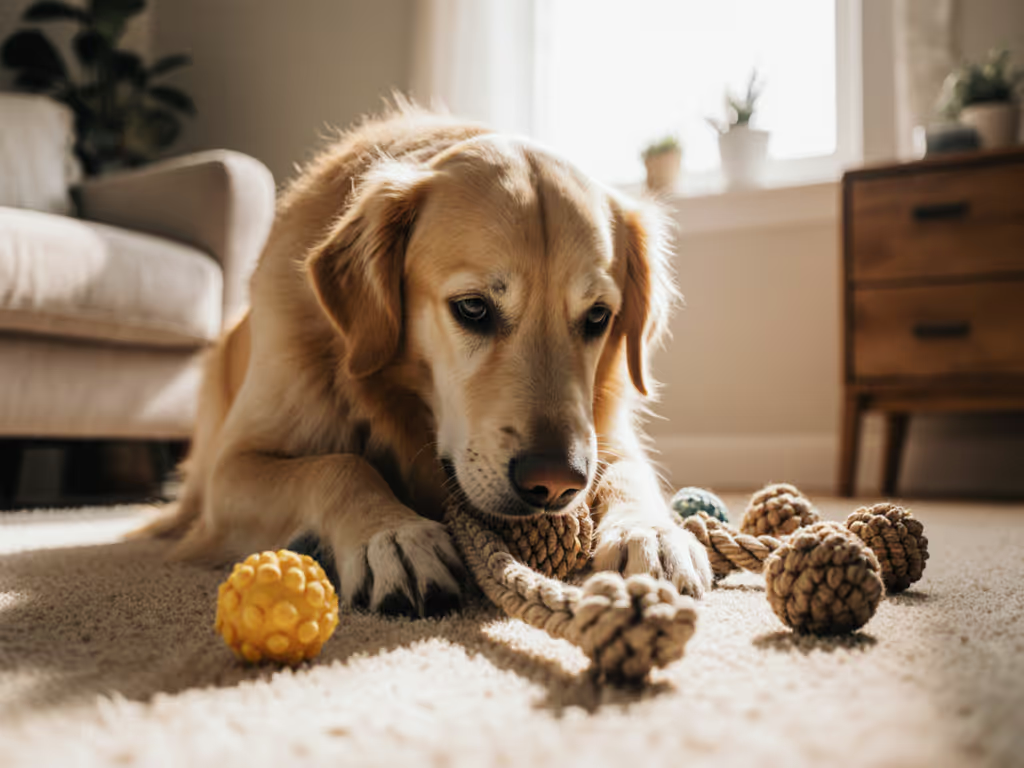
For many deaf or blind dogs, physical contact with a human via tug, massage, or gentle wrestling is as important as independent play.[3][7] For deaf-blind dogs, tug toys and soft tethers double as communication tools: the pressure and direction of the tug helps orient them.
- Sensory profile: Texture + vibration + social touch.
- Best for: Dogs who seek contact, enjoy pulling, and have a handler present.[3][7]
- Engagement half-life: Short to medium; great for energy bursts.
- Jaw bands: Must match rope/fabric/rubber toughness to jaw strength.
Enrichment guides for blind dogs recommend tug and chaser toys moved slowly along the floor so the dog can track them via sound and touch; for deaf-blind dogs, you'll lean on touch and vibration alone.[7][4]
Risk & failure mode: Rope and fabric will fray at high-stress points; retire when threads loosen significantly.[10] For strong jaws, choose wider, denser materials and keep tug movements horizontal to reduce neck strain.
--
How should I structure a day of multi-sensory dog enrichment?
Think in short, predictable blocks rather than one "super toy." A sample template for an adult deaf-blind dog:
-
Morning (5-10 min): Snuffle mat or scent trail to breakfast.
-
Lay a simple kibble trail to a mat or slow bowl so your dog practices following scent through the home.[6][5]
-
Midday (10-20 min): Lick mat or stuffed rubber toy.
-
Ideal while you work nearby; low mess and low noise.[7][10]
-
Evening (5-15 min): Tug or tactile play.
-
Use a consistent cue (gentle touch on shoulder) before presenting the tug, then keep movements slow and predictable.[3][7]
This structure spreads cognitive load through the day without demanding constant supervision. You can log observed engagement half-life for each session to decide which activities earn permanent rotation.
--
How do I match toys to my dog's jaw strength band and playstyle?
Instead of thinking "power chewer" as a personality, score your dog on two axes:
- Jaw strength band (gentle / moderate / strong) - based on how quickly they damage standard rubber or fabric toys.
- Playstyle (forager, licker, shredder, tugger, or mixed) - based on what they choose when given options.
Then tune categories:
-
Gentle jaw, forager/licker
-
Prioritize snuffle mats, simple scent boxes, lick mats, and slow bowls.
-
Chew Resistance can be lower; focus on texture variety and scent density.[6][7][10]
-
Moderate jaw, mixed playstyle
-
Combine reinforced snuffle mats, durable but flexible lick mats, and robust puzzle feeders.
-
Tug toys with thick fleece or tubular webbing often balance mouthfeel and durability.
-
Strong jaw, tugger/chewer
-
Emphasize thick, solid rubber stuffables and heavy-duty tug toys sized so they cannot be fully mouthed.[10][11]
-
Keep fabric foraging tools supervised and remove promptly after food is cleared.[6]
Across bands, dual sensory impairment play benefits from repetition and predictability: same mat locations, same general tug direction, same feeding station.[3][11] That predictability lowers search effort so more energy goes into problem-solving, not basic navigation.
--
What specific safety issues apply to deaf-blind dogs and toys?
All dogs face toy risks, but deaf-blind dogs have added constraints: they cannot avoid hazards visually or respond to verbal interruption.
Key safeguards, supported by veterinary and training sources:
-
Avoid small detachable parts. Squeakers, bells, plastic eyes, or tiny puzzle pieces are choking and obstruction risks, particularly for dogs who already navigate by mouth.[10][11]
-
Choose stable, non-tip designs. Blind and deaf-blind dogs can be startled or discouraged by bowls or toys that move unpredictably underfoot.[11] Wider bases and non-slip bottoms reduce falls and spills.
-
Audit material hardness. Hard, brittle plastics and poor-quality rubber can crack into sharp edges when chewed.[10] Look for toy lines that state they are designed to be chewed and avoid sharp seams.
-
Monitor textiles. For snuffle mats, ropes, and plush, regularly inspect for loose strands or stuffing exposure; guardians of blind and deaf dogs are widely advised to remove any fraying items to reduce ingestion risk.[7][10][11]
-
Supervise novel setups. When introducing a new toy or a rearranged play area, stay close. Many resources emphasize that blind and deaf-blind dogs thrive on consistent layouts, and sudden changes can lead to bumps or anxiety.[3][11]
Failure mode matters. Decide in advance: what has to happen for this toy to be retired? Missing chunks, exposed seams, loose strands, write down your rules and stick to them.
--
How can I use sensory substitution techniques without buying more toys?
You can create multi-sensory dog enrichment zones using household items and layout tweaks.
Evidence-based ideas from trainers, guardians, and rehab resources:
-
Scent trails to important stations. Drag a small piece of food or a scented cloth along the floor to the bed, water, or yard door, helping your dog map routes via smell.[6][5]
-
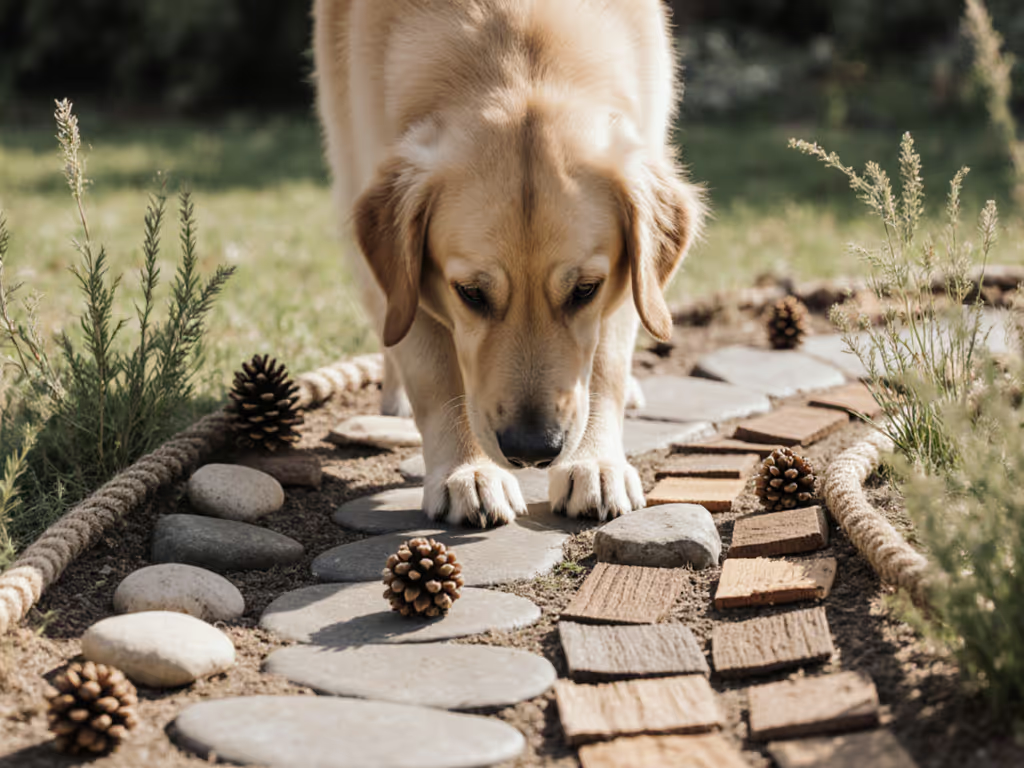
Textured "landmark" paths. Non-slip mats, rugs, or rubber runners placed at doorways and along main corridors help blind dogs build a mental map of the home.[3][5]
-
Scent markers on key objects. Some guardians place a consistent, mild scent (e.g., on the doorframe) so the dog can identify exits or rooms by smell.[3]
-
Tactile exploration posts. As suggested in enrichment discussions for deaf-blind dogs, you can offer a cluster of safe, vertical textures - rubber, fleece, sisal - for the dog to rub or investigate, similar to how they might explore new surfaces outdoors.[6]
These are sensory substitution techniques: scent and touch stand in for lost hearing and vision, turning navigation itself into low-intensity enrichment.[3][6]
--
How do I iterate and improve my dog's enrichment over time?
When I tag toys in shelters or foster homes, I track three numbers: time to first engagement, engagement half-life, and time-to-failure. You can borrow the same approach at home.
A simple iteration loop:
- Log sessions briefly.
- Toy/type, start time, rough minutes of active engagement, and any visible wear.
- Score after a week.
- Chew Resistance Score (1-5).
- Engagement half-life (short/medium/long).
- Cleanability (easy/moderate/hard).
- Promote winners, rotate others. Use this dog toy rotation system to keep engagement high without buying new gear.
- Keep 3-5 "core" toys in circulation; store the rest and reintroduce weekly or biweekly.
- Trainers working with blind dogs emphasize that simple rotation can revive interest in previously ignored toys.[7]
- Adjust for life stage.
- As your dog ages or their energy shifts, dial down high-arousal shredding games and dial up scent work, licking, and gentle tactile play.[7][14]
Over time, you'll build a personalized percentile ranking of toy types for your dog: top 10% for long engagement, bottom 10% for fast destruction or disinterest. That dataset does more for your budget, and your dog's quality of life, than any "indestructible" label on a product page.
If you treat every new toy as a tiny experiment in sensory fit, safety, and engagement, your deaf-blind dog's world stays rich, predictable, and deeply rewarding.
Related Articles