Canine Proprioception: A Framework for Choosing Body Awareness Toys
By Zara Haddad • 10th May
Understanding the Foundation: Why Proprioception Matters in Toy Selection
Canine proprioception science is the foundation of confident toy choices. Simply put, body awareness toy selection is impossible without first understanding what proprioception actually does for your dog.
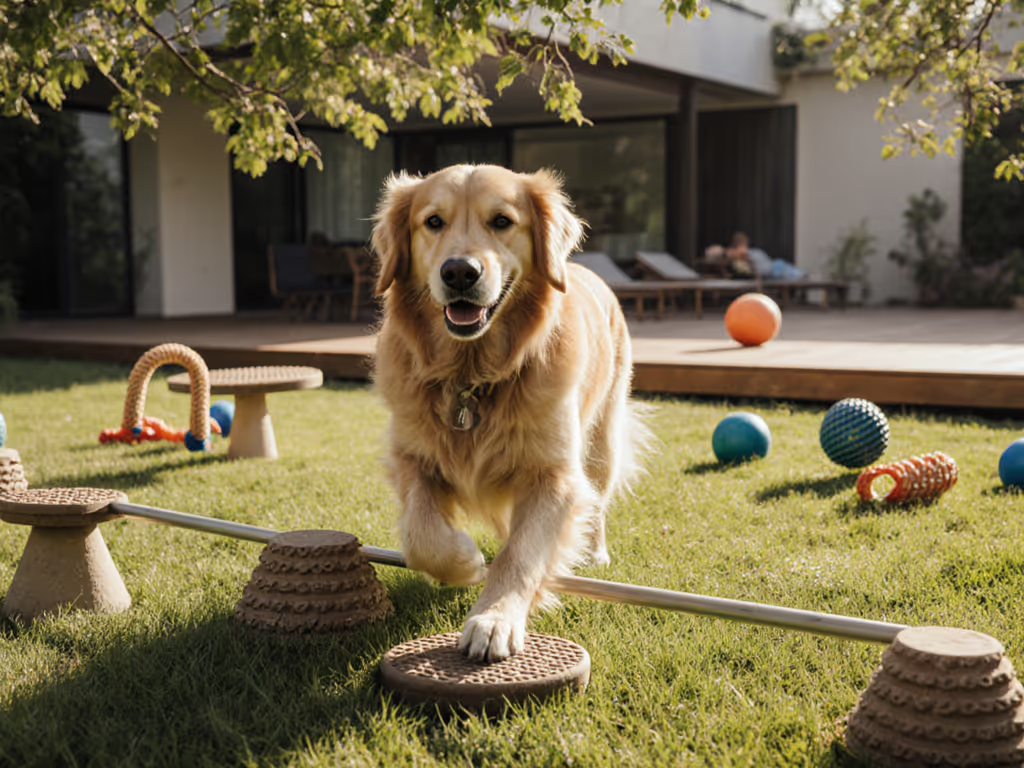
Proprioception is your dog's built-in sense of where their body is in space (the neural feedback loop that tells them where their paws land, how to balance, and whether they're upright or tilted). Proprioceptive feedback in dogs comes from sensory receptors in muscles, tendons, and joints that constantly send position data to the brain. When this system works well, a dog moves with coordination, confidence, and safety. When it's underdeveloped or disrupted (through age, injury, or lack of challenge), movement becomes hesitant, coordination falters, and risk of strain increases.
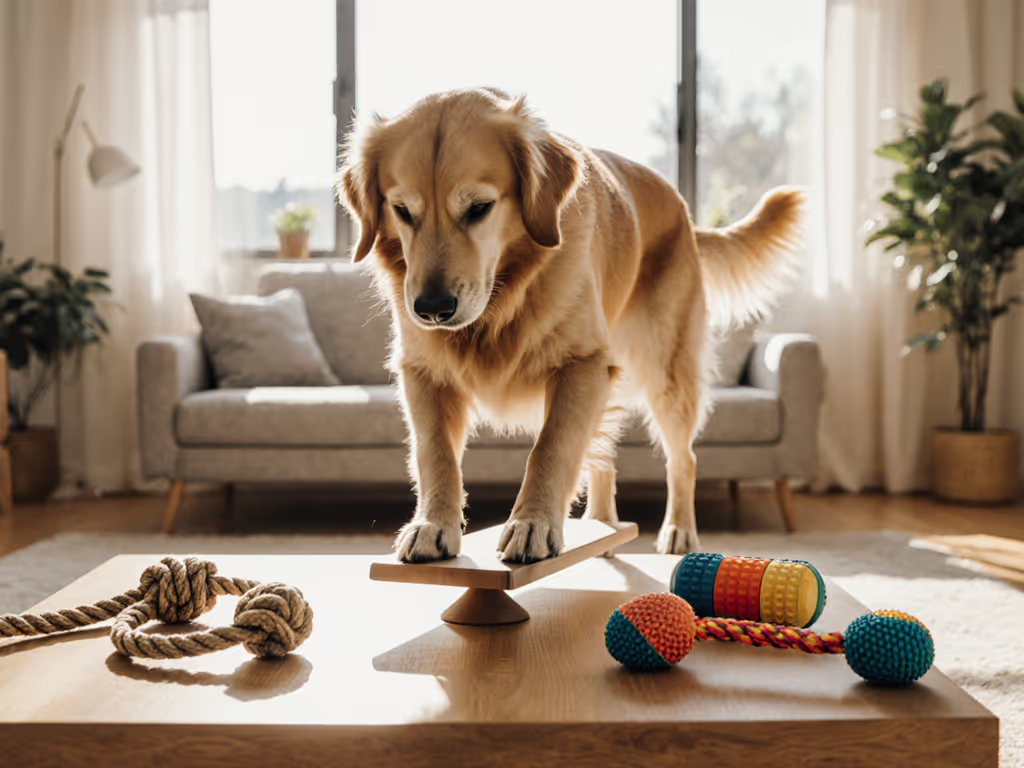
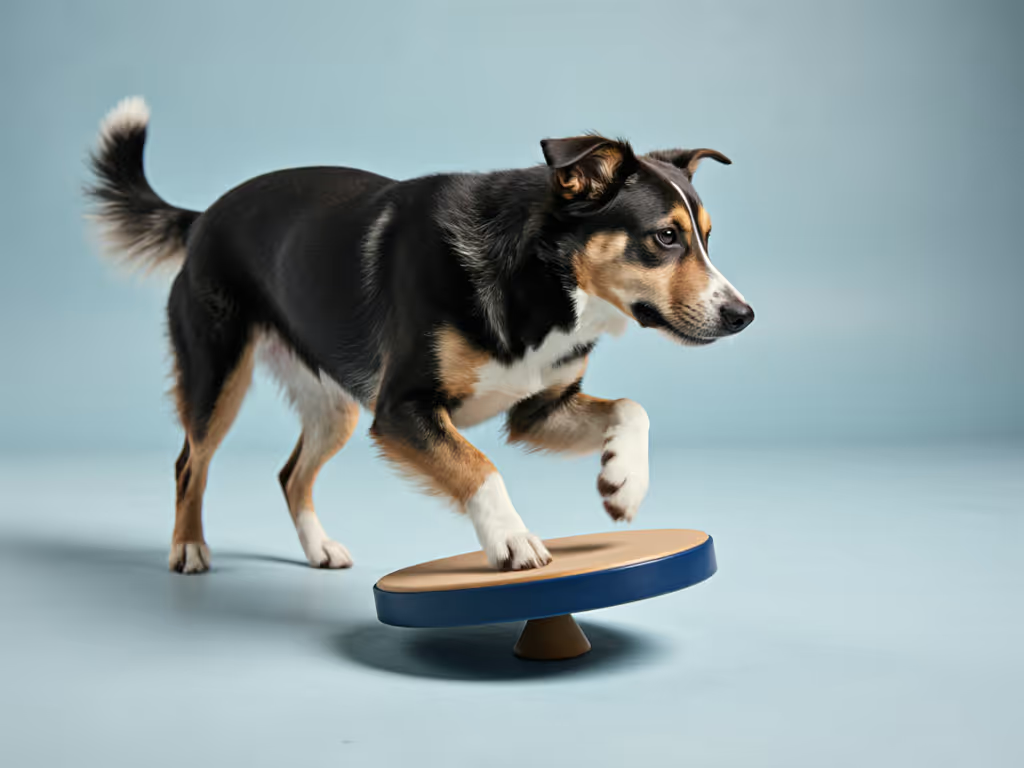
Here's where toys come in: the right toy is a tool for maintaining and strengthening this proprioceptive feedback loop. Many dog guardians assume enrichment toys are just for fun. In reality, toys that challenge balance, require weight shifting, or demand precise paw placement are actively training a dog's body awareness. That's motor coordination enhancement in action, and it's measurable.
The Framework: 6-Step Decision Tree for Body Awareness Toy Selection
1. Map Your Dog's Playstyle Index
Start by honestly assessing how your dog engages with objects. The Playstyle Index is a simple three-category split:
- Chewer: Presses, gnaws, and applies sustained force to textures. Goal is breakdown or flavor release.
- Manipulator: Tosses, carries, nudges, paws at objects. Needs toys that respond to contact and move.
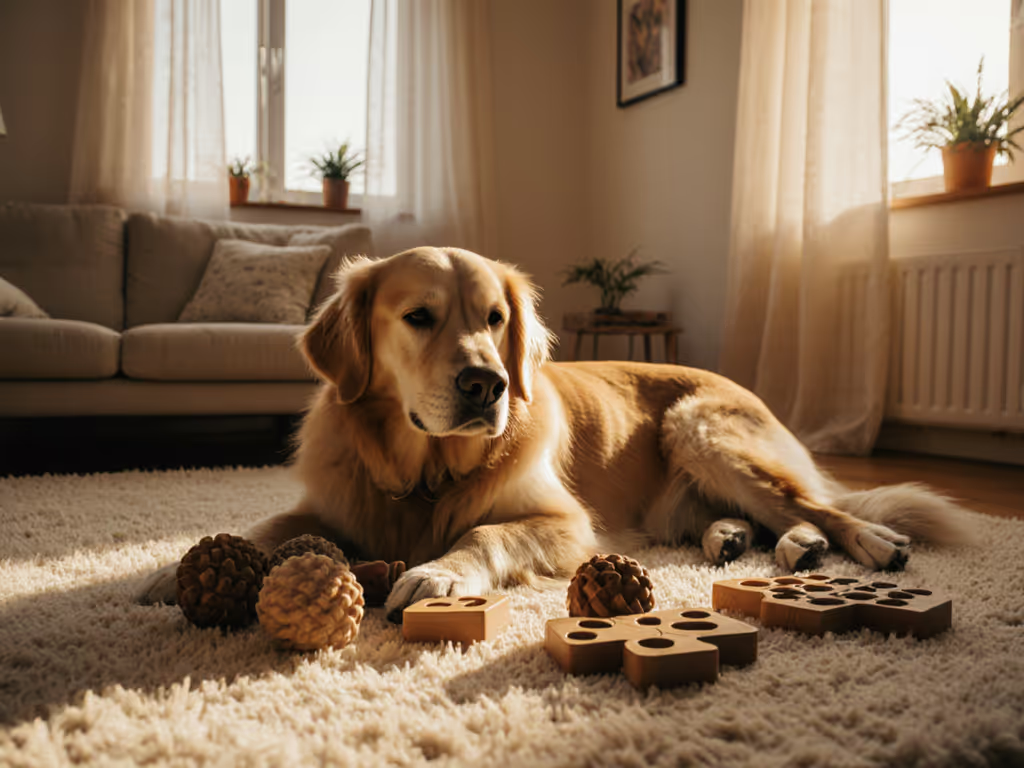
- Investigator: Sniffs, licks, probes crevices. Drawn to puzzle elements, hidden pockets, scent trails.
Most dogs are a blend, but one category usually dominates. A clever, anxious foster dog I once matched was categorized as a primary investigator with secondary manipulator traits (she ricocheted off furniture when overstimulated). Once we narrowed her toy options to quiet, scent-forward puzzles that let her move at her own pace, her breathing slowed and her focus sharpened. That clarity about her playstyle eliminated the noise, chaos, and toy waste that had been fueling her anxiety. For a deeper breakdown of play patterns and toy matches, see our dog play styles guide.
Why this matters for proprioception: Each playstyle demands different body positions and weight shifts. Chewers stand planted; manipulators pivot and shift; investigators crouch and extend. Matching the toy to the playstyle ensures the proprioceptive work is actually happening, not just distraction.
2. Run a Fit Check: Size Band and Jaw Strength
A proper fit check answers three questions:
- Size Band: Can your dog's mouth safely encompass 60-70% of the toy without jamming or choking risk?
- Jaw Strength Match: Does the toy's material durability align with your dog's chew force?
- Supervision Threshold: Will the toy remain intact unsupervised, or is it an "active play only" tool?
A toy that's too small or too soft for a powerful chewer becomes a swallowing risk. To choose durable-yet-safe materials for strong jaws, use our rubber chew material science guide for quick checkpoints. A toy that's too hard or too large for a gentle pup or senior dog is unused. The best body awareness toy is the one your dog will actually engage with safely.
Use this quick matrix:
| Jaw Strength | Must-Have Material | Nice-to-Have Feature |
|---|---|---|
| Light (seniors, small breeds, puppies) | Soft rubber, fabric, plush | Crinkle or scent infusion |
| Moderate (most adults) | Rubber, nylon blend, rope | Textured ridges for grip |
| Heavy (power chewers) | Reinforced rubber, nylon, rope | Multi-material zones to prevent fixation |
3. Prioritize Proprioceptive Feedback Over Novelty
A toy that engages proprioception asks your dog's body to stabilize, adjust, and rebalance. This is different from a toy that simply entertains.
Look for toys with these features:
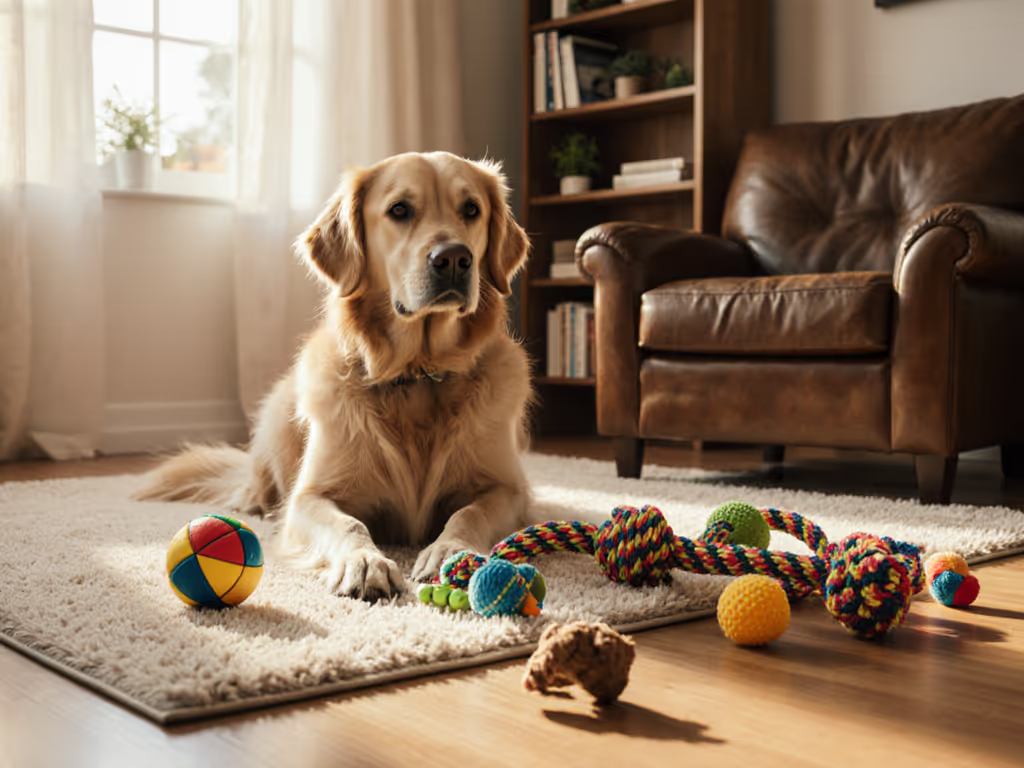
- Uneven weight distribution: Balls, toys with internal beads, or asymmetrical shapes. They force the dog to adjust balance mid-contact.
- Textured, grippy surfaces: Ridges, nubs, or rope weaves demand precise paw placement and grip adjustment.
- Slight give or bounce: Too rigid = no feedback. Too squishy = no resistance. Medium resistance teaches the dog their force is "working".
- Multi-zone textures: A toy with both soft and firm zones keeps the dog assessing which part of their mouth and paw best handles each section.
Sensory integration toys aren't about overstimulation; they're about clarity. Your dog's nervous system is learning what stable contact feels like.
4. Assess Engagement Duration and Cognitive Demand
Motor coordination enhancement through toys works best when the dog stays engaged long enough for their proprioceptive system to learn from repeated, varied contacts.
A toy that's abandoned after 90 seconds isn't doing the work. One that holds attention for 10+ minutes because it requires puzzle-solving, scent-tracking, or persistent manipulation is training body awareness in real time.
Ask yourself:
- Does my dog return to this toy unprompted?
- Are they using different mouth angles, paw positions, or body weight shifts?
- Is there calm focus, or is it just frantic motion?
High-engagement toys often combine multiple demand types: a rubber toy with scent pockets and textured zones and a slight wobble on a table edge keeps a dog physically and mentally engaged longer than a simple ball.
5. Test the Fit in Real Life: The One-Play Trial
Introduce the toy in a low-pressure setting and watch for three things:
- Initial Engagement: Does your dog mouth it immediately, or does it take investigation first?
- Body Position Shift: Do you see weight shifts, pronation/supination of the paws, or postural adjustments?
- Post-Play Calm: After 10-15 minutes, does your dog settle or escalate?
A toy that promotes proprioceptive learning typically leaves a dog calm, mildly tired, and confident (not frantic or hyperaroused).
6. Build a Rotation System with One-Page Clarity
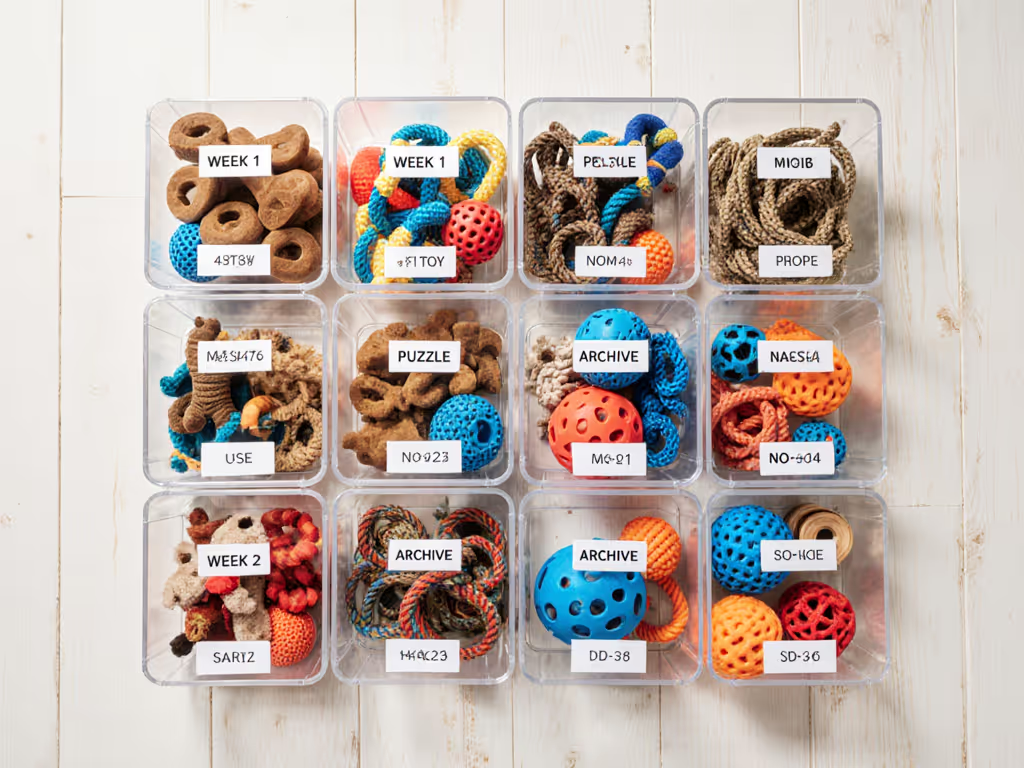
For a step-by-step method to keep toys fresh without constant buying, see our toy rotation system. Here's where constraints beat catalogs. Instead of 20 toys, curate 4–5 toys that rotate weekly:
- Primary (must-have): The toy that matches your dog's top playstyle and jaw strength. This stays accessible.
- Secondary (nice-to-have): A toy that targets a secondary playstyle or adds a different sensory challenge.
- Seasonal/situational: A toy for teething, anxiety, or specific training goals.
- Archive: Toys retired for safety, durability failure, or disinterest. Don't rotate endlessly; clarity comes from limits.
A one-page toy inventory (literally one printed page with toy photos, playstyle match, and rotation schedule) eliminates decision fatigue and ensures each toy earns its shelf space.
Why Body Awareness Training Matters Beyond Play
Dogs with strong proprioceptive awareness move with less risk of strain, adjust to surfaces confidently, and recover faster from minor trips or slips. For puppies, this means building a solid nervous-system foundation. For seniors, it means maintaining independence and reducing fall risk. For gentle, joint-friendly options that still build coordination, see our senior dog enrichment toys. For active dogs, it's an injury-prevention tool.
Body awareness toy selection isn't frivolous (it is proactive care).
Next Steps: Further Exploration
Now that you have a framework for matching toys to proprioceptive needs, the real learning comes from observation and adaptation.
- Track engagement: Spend one week logging which toys your dog spends time with and in what positions. You'll spot patterns in playstyle and body awareness faster than guessing.
- Test the decision tree: Use the Playstyle Index and fit-check steps above on toys you already own. Reclassify them as must-have or archive based on actual fit and use.
- Connect toy choice to behavior: Notice whether calmer, lower-stimulation toys promote settling. Does variety keep your dog from fixating on destructive chewing? Real data beats hunches.
- Consult specialists if needed: If you notice hesitation on surfaces, balance uncertainty, or unusual gait changes, a vet or certified rehabilitation therapist can assess proprioceptive development and recommend specific toys or exercises tailored to your dog's needs.
One page, one match: confident choices without guesswork. That's the goal. Start with one toy, observe, refine, and rotate. Over time, you'll build a curated collection that works, not a drawer of forgotten noise-makers.
Related Articles